Bookshelf Styling With Books You Actually Read
As an Amazon Associate I earn from qualifying purchases. This article contains affiliate links.
Bookshelf styling can begin with the books you already own. There is no need to replace a readable collection with matching covers, turn every spine inward or buy objects merely to fill the gaps.
Start by making the shelf useful. Books should be supported, accessible and easy to return. Then adjust the balance of upright groups, a few horizontal stacks and any personal objects you genuinely want to display. The result can look intentional while still belonging to a real reading household.
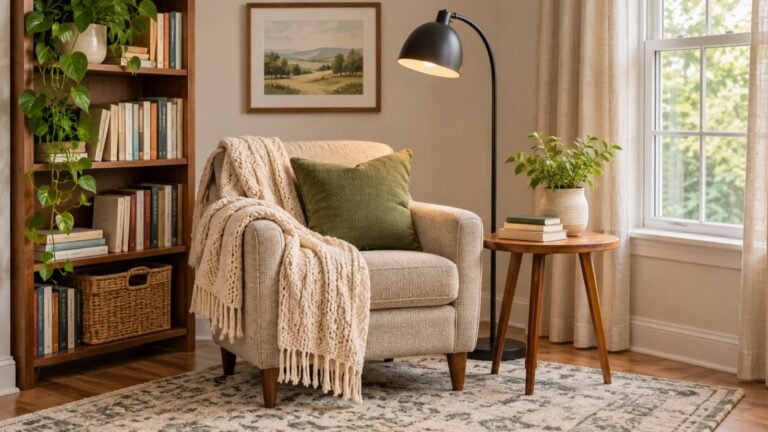
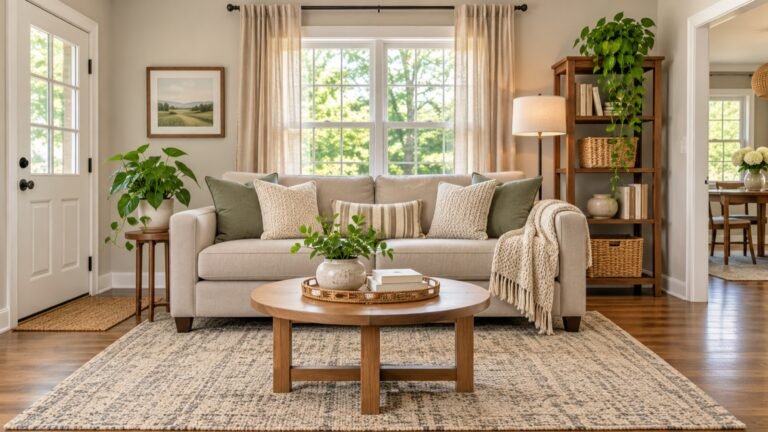
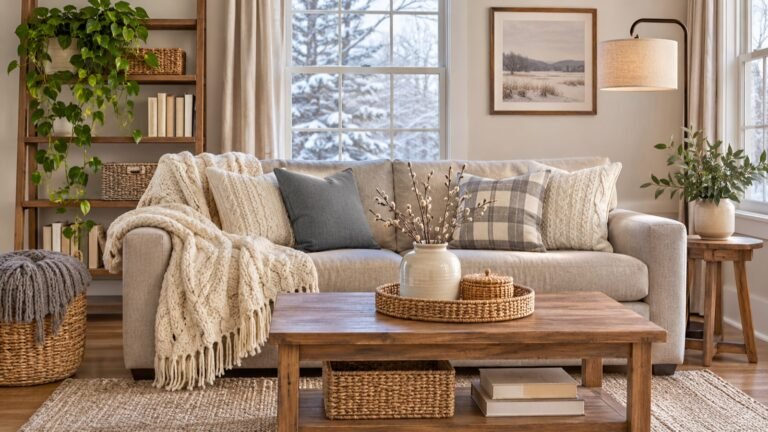
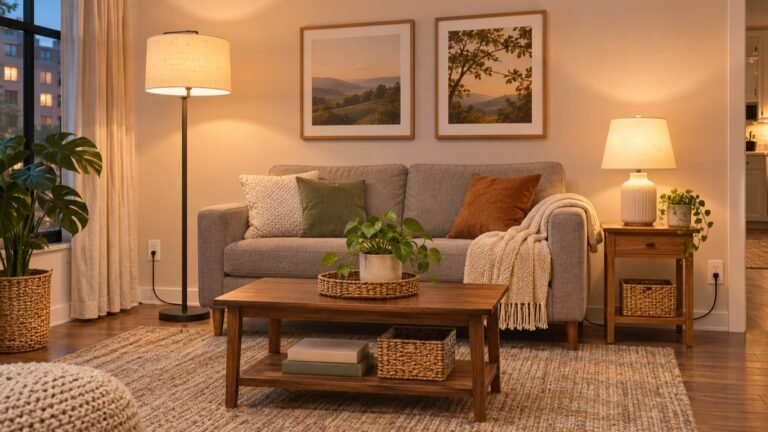
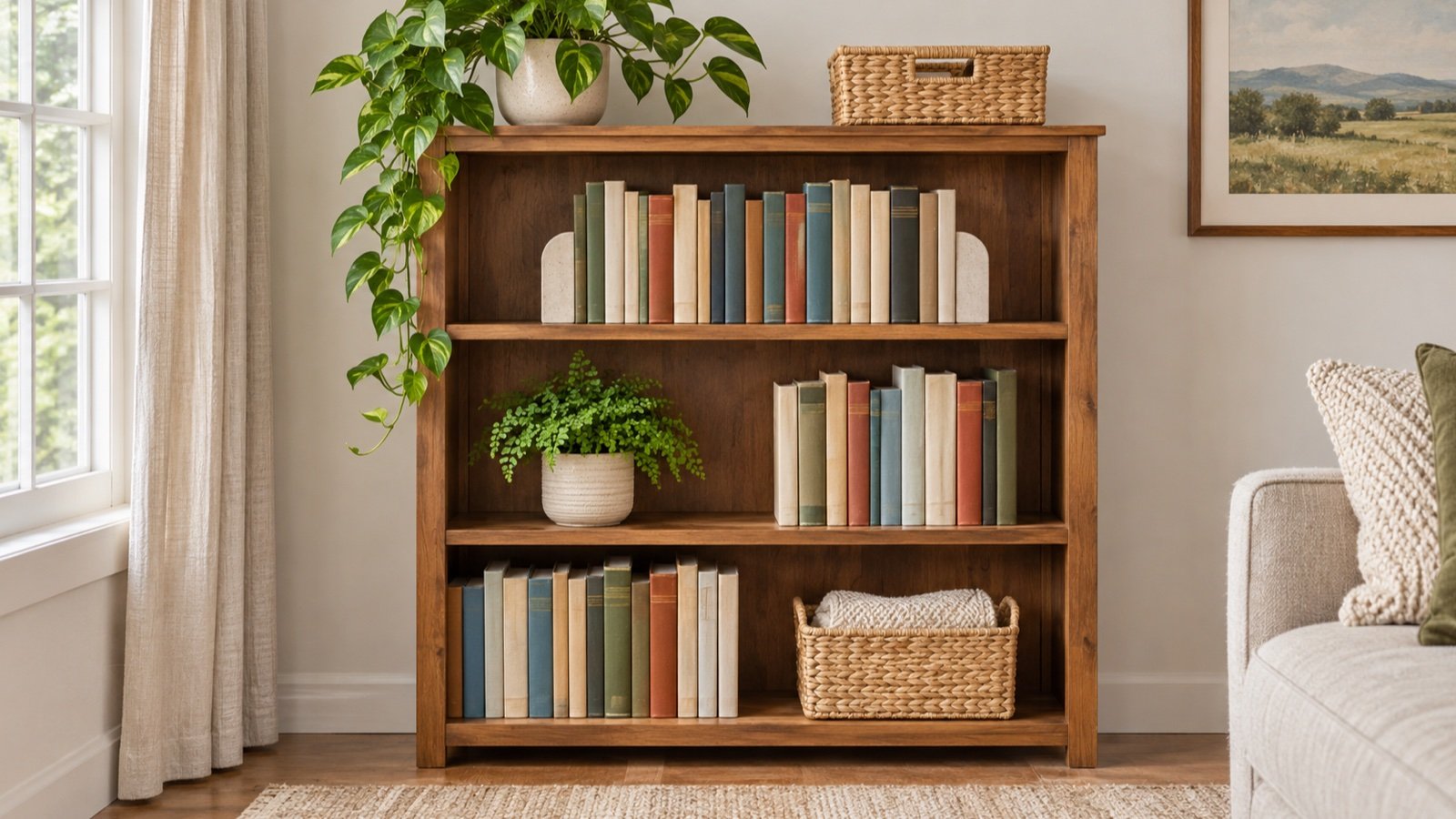
Featured image: AI-generated decorating inspiration, not a photograph of a tested makeover or a specific reviewed product.
Choose the shelf's main purpose
Decide how much space belongs to books, useful storage and display. A working bookcase does not need the same balance as a decorative shelf. Keep regularly used titles within comfortable reach and place heavier items appropriately. Follow furniture support and anchoring instructions. Styling should not make the shelf less stable or the books harder to retrieve.
Arrange one shelf before the whole unit
Take a manageable group of books and try an upright section with a little open space beside it. Check how easily you can remove and return a title. Use this first shelf to understand your preferred balance. Repeating a simple arrangement across the unit can feel calmer than inventing a different decorative theme for every level.
Use bookends where they have a job
Suitable bookends can support a short group and create a clearer boundary. Check their stability with the actual books and the shelf surface. A decorative pair that slides away is not useful support. You do not need bookends at both ends of every shelf if the furniture already supports the books appropriately.
Keep horizontal stacks short and accessible
A small stack can change the rhythm, but the bottom book should remain usable. Put a frequently read title somewhere easier to reach. Avoid balancing fragile objects on an unstable stack simply to gain height. Compare the shelf as a working arrangement as well as a view from across the room.
Repeat a material or color lightly
A wood frame, a neutral basket or one color already present in the book spines can connect the display. You do not need to hide every colorful cover to achieve consistency. Try moving an existing object before shopping for another. Leave enough open space that the relationship can be seen rather than packing every gap.
Use baskets for defined non-book contents
A suitable basket can hold a small category of items you want nearby. Label it if the contents are not obvious. Check the shelf's depth and load and leave room to lift the basket out. An opaque container full of unrelated clutter may make the front look tidier while creating a search problem inside.
Edit from the place you normally see the shelf
Step back to the doorway or usual seat and notice crowded patches. Remove one object before adding another. Then check the shelf close up for access and stability. A photograph can help you compare arrangements privately, but the final choice should also work when you take out a book and put it back.
Compare the options
| Option or situation | Useful starting point | Check before choosing |
|---|---|---|
| Books used often | Upright accessible group | Support and easy return |
| Occasional large books | Suitable stable position | Shelf load and handling |
| Small household category | Clearly defined basket | Lift-out space and visible label |
| Personal display objects | A restrained group | Secure support and cleaning access |
A worked planning example
Use an editorial exercise with the same twelve books: first arrange them upright, then try a short stack beside an upright group. Keep the shelf and objects unchanged. Compare access and the view from the doorway. This lets you explore composition without buying more items. The number is simply a manageable sample, not a styling formula or a claim that twelve books suit every shelf.
What to compare when shopping
The links below open Amazon searches for product categories, not verified exact-product recommendations. Check the specific listing, size, variant and manufacturer instructions before purchasing. No price, availability or physical testing is implied.
Bookends
Compare stability, support and shelf compatibility.
Small frames
Choose an appropriate stable position and size.
Compare small frames on Amazon
Shelf baskets
Match complete dimensions, contents and furniture load guidance.
Compare shelf baskets on Amazon
For more ideas, explore cozy living room styling and small apartment ideas.
Frequently asked questions
Do book spines need to match for a styled shelf?
No. Repetition of a color, material or arrangement can connect varied books without hiding their identity.
Should I turn books backward for a neutral look?
Only if it suits your use. A working collection should remain identifiable and easy to retrieve.
How do I keep shelves from looking crowded?
Edit one section, leave some open area and reduce objects that do not serve the shelf's purpose.
Do I need new decor to style a bookshelf?
No. Begin with existing books and meaningful objects, then buy only for a specific missing function.
Further reference
Further reference: CPSC furniture anchoring guidance. Product-specific instructions take priority for your actual item.